The Automobile Association of South Africa (AA) has called on law enforcement and transport authorities to deploy protected transit corridors across the country. This as escalating taxi violence threatens economic activity and voter participation ahead of election day.
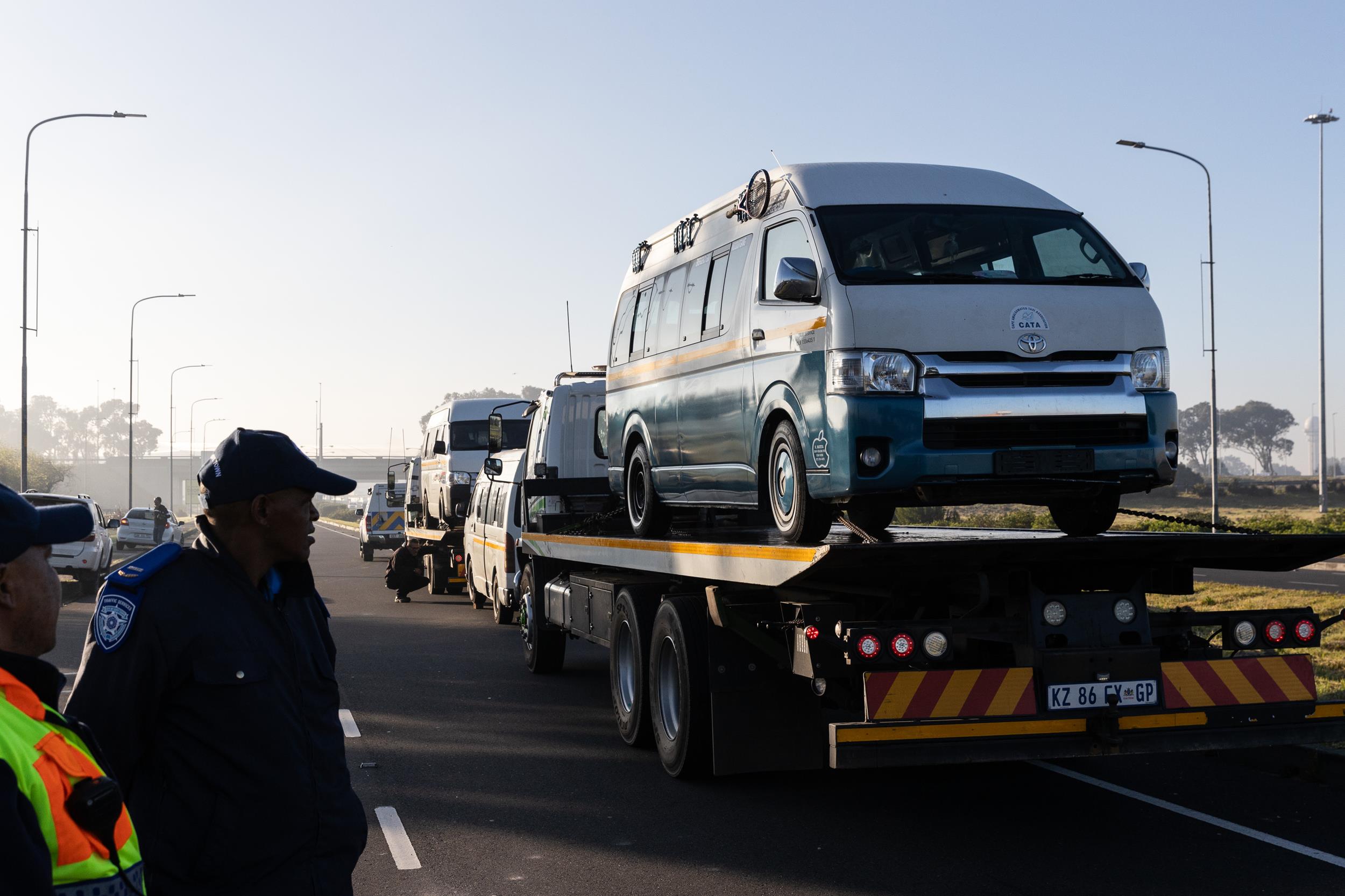
The call follows deadly clashes between the Cape Amalgamated Taxi Association (CATA) and the Congress of Democratic Taxi Associations (CODETA). Disputed routes in Delft, Langa, and Epping in the Cape have claimed 12 lives over the past month.
Commuters have avoided taxi ranks across Cape Town for fear of their safety, leaving workers stranded days after Cape Town International Airport reported that 50% of its security staff could not report for duty, throwing flight operations into disarray.
"South Africans live in a country with many constitutional freedoms on paper," says Bobby Ramagwede, chief executive officer of the AA. "The freedom to move is among the most essential. Without mobility, you cannot earn a living, you cannot access healthcare, and you cannot exercise your democratic right to vote."
"This week, South Africans go to the polls. But the right to vote means nothing if leaving your home to reach a ballot box or a workplace carries the risk of being injured. When commuters cannot enter a rank without fearing for their lives, the constitutional freedom to move has been priced out of reach."
The AA warns that the minibus taxi sector, carrying some 80% of South Africa's public transport users, cannot claim to be the economic backbone while terrorising the public. The Association is calling on operators to put down their weapons, resolve disputes through negotiation, and stop interfering with other modes of public transport immediately.
"Public debate often focuses on the role of fuel in facilitating mobility," Ramagwede says. "Now we must confront the transport operator. Transporting human lives is not a private concession to be fought over with weapons. It is a public privilege and an honour. We are calling on operators to put the guns away and negotiate. Real leadership means resolving disputes at the table, not in the crossfire. Furthermore, operators must stop interfering with other modes of public transport. Commuters have the right to choose how they travel, and blockading alternatives is nothing short of extortion."
"Workers in our cities already spend up to 40% of their wages on transport. To expect them to pay that proportion and then dodge bullets on their morning commute is intolerable. For an industry that built itself as the backbone of our mobility ecosystem to wage turf wars over routes shows how little it values its own commuters. Without passengers, these fleets are simply empty steel on tarmac."
While the Western Cape High Court granted an interdict on Friday to halt intimidation and blockades, Ramagwede cautions that legal paper without visible enforcement will not protect workers.
"An interdict does not stop a bullet in a rank," Ramagwede says. "The disruption at Cape Town International Airport last Friday, where half the screening staff could not reach their posts, shows how quickly localised taxi disputes paralyse national infrastructure. Every business with a workforce is exposed to this breakdown. This is why we are calling for high-visibility SAPS and traffic escorts to be deployed immediately along disputed transit corridors in Delft, Langa, and Epping throughout election week."
"Furthermore," Ramagwede continues, "there must be immediate impoundment of vehicles and suspension of operating licences for any association or operator violating court interdicts. We also need an urgent forensic audit of route allocations and operating permits in the Western Cape to eliminate the disputes feeding this violence. Finally, a coordinated voter transit safety plan must be established between the Electoral Commission, SAPS, and municipal transport agencies before voting stations open."
The AA urges employers to take immediate steps to insulate their workforce.
"Do not penalise workers who arrive late because ranks are under fire," Ramagwede says. "Corporate South Africa must exercise practical flexibility. Employers should stagger shift times, establish vetted pooled transport where possible, and provide daily route briefings. If we allow criminal turf wars to dictate who can work and who can vote, we surrender our cities to extortion."
Ends
Photo credit: Ashraf Hendricks/GroundUp