South Africa’s broken public transport network has become an engine of economic exclusion, forcing working-class households to spend up to 45% of their monthly income just to get to work.
The Automobile Association of South Africa (AA) issued this warning today, during Transport Month, calling on the government to abandon vanity transport ventures, review fuel taxes, and overhaul the country's distorted mobility funding model.
South African households spend an average of 16% of total expenditure on mobility, Stats SA reports, far exceeding the government’s 10% policy ceiling. For the poorest workers and those living way outside of economic hubs, the situation is disastrous.
Affordability tracking by the Pietermaritzburg Economic Justice and Dignity Group (PMBEJD) reveals that transport and electricity consume up to 64.6% of the national minimum wage. On a minimum wage of R5,078, an average worker spends R1,520 on transport alone, leaving under R1,800 to feed a family for the month.
"South Africa has engineered a structural poverty trap on wheels," says Bobby Ramagwede, CEO of the AA. "When a security guard or retail worker must surrender nearly half their wages just to sit in a minibus taxi, our transport network is no longer connecting people to opportunity. It is penalising them for having a job."
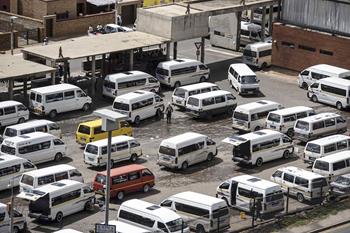
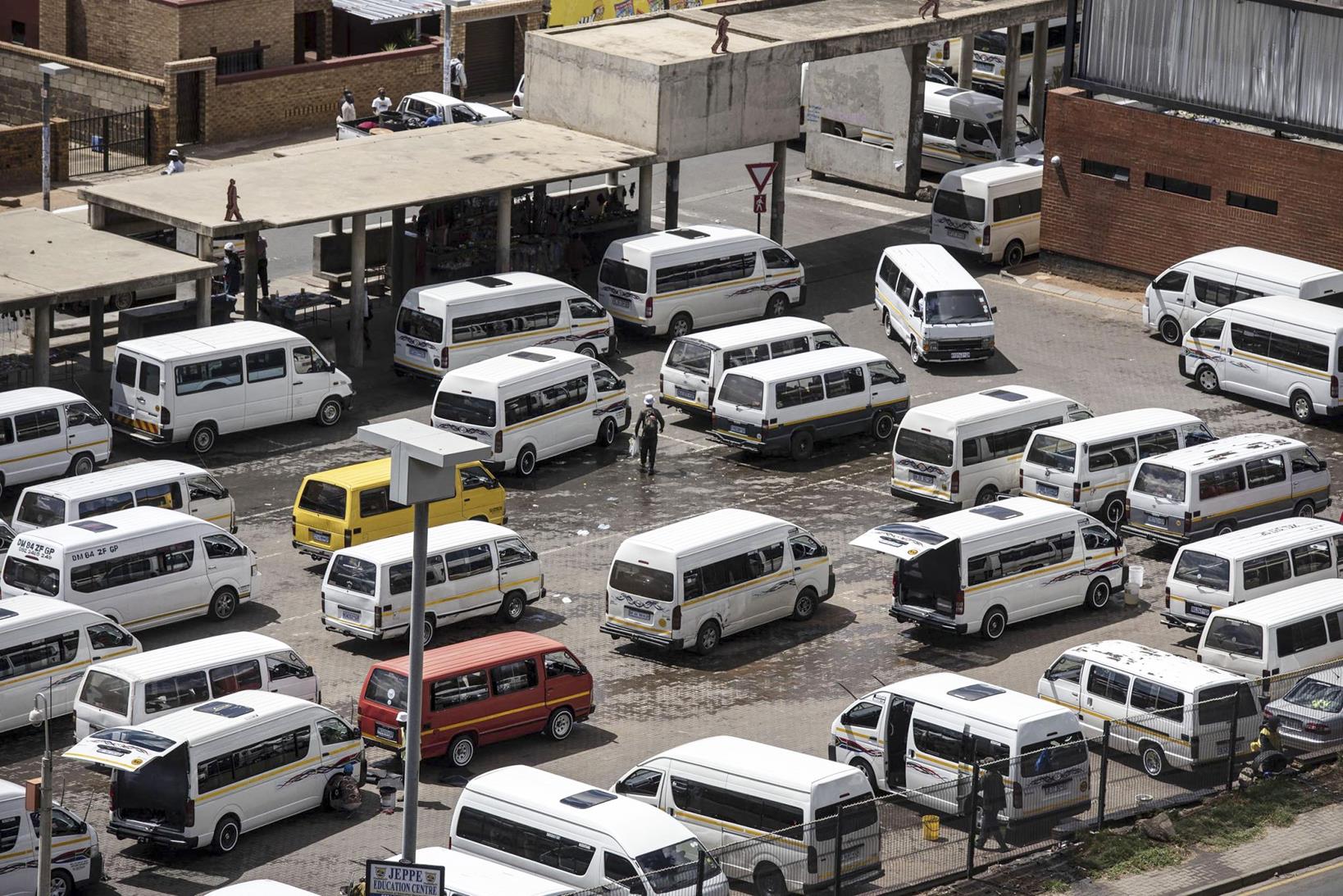
The AA points out that spatial segregation continues to punish the working class. Because low-income workers live on urban peripheries far from business districts, most face an unavoidable double-fare penalty. Commuters routinely take two minibus taxis each way. A commuter paying R18 per leg spends R72 daily, or roughly R1,580 monthly, in cash fares.
Despite carrying over 80% of public transport users, the minibus taxi industry receives no direct operational subsidies from the state. Commuters bear every rise in fuel prices directly, with no financial buffer.
"The human cost is felt directly at the dinner table," Ramagwede states. "Workers are not choosing between public transport and luxury goods. They are choosing between taxi fares and buying protein for their children."
Health research highlights the harsh consequences of these choices. Over 25% of South African boys under age five suffer from stunting because families cannot afford nutritious food after paying transit fares and utilities.
The PMBEJD reports that while a basic nutritional food basket for a family of four costs roughly R3,800 monthly, minimum-wage earners are left with less than half that amount after commuting costs. The Competition Commission confirmed that average workers spend over 57% of earnings on transport and electricity alone, forcing families into expensive unsecured debt to buy basic groceries.
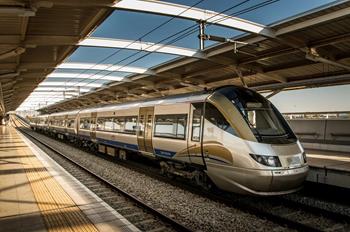
Against this backdrop, the AA condemned the state for pouring billions into elite infrastructure, particularly the Gautrain.
While Metrorail operations decayed from vandalism and neglect on corridors serving working-class communities, public funds were diverted to protect private rail concessions.
Between FY 2019/20 and FY 2022/23, the Gauteng Department of Roads and Transport paid over R5.1 billion to the Bombela Concession Company under contractual patronage guarantees to offset low passenger volumes. Over that period, Gautrain passenger trips dropped from 13.9 million to 7.9 million.
"The patronage guarantee is built-in taxpayer insurance for poor commercial performance," says Ramagwede. "Billions of rands that should fund mass transit and safe walking paths are used to prop up a premium rail service for a shrinking, wealthy minority. We are subsidising luxury mobility for the few while the workforce walks through the dark to catch unsafe, unsubsidised transport."
Ramagwede also dismissed the Gautrain Management Agency's plans to launch an app-based e-hailing service, the Gau Express.
"This e-hailing venture will fall flat on its face," Ramagwede warns. "The Gautrain is bleeding passengers and seeking revenue diversification instead of fixing transit problems. It is not the state's job to launch overpriced taxi apps in a cut-throat, low-margin market. How do you convince commuters who cannot afford train tickets to climb into an expensive state-run taxi? It is a contradiction to claim you want to reduce traffic congestion while adding more cars to the same roads," Ramagwede says.
The AA notes that mobility failure also drags on corporate South Africa. Businesses suffer lower productivity as staff arrive exhausted from lengthy commutes. Corporate fleets face soaring operating costs, while consumer-facing sectors struggle as households spend more of their disposable income on transport and fuel.
"Mobility is the backbone of the economy," says Ramagwede. "If people and freight cannot move affordably, economic growth stalls. This touches everything that moves, from corporate fleets managing logistical costs to mothers skipping meals so their children can get to school."
The AA calls on government to implement three immediate reforms:
- Reallocate public funding: Shift capital away from high-speed rail guarantees toward modernising mass-market systems, including taxi ranks, Bus Rapid Transit, and commuter rail.
- Reform fuel pricing: Undertake an independent audit of the General Fuel Levy and Road Accident Fund levies to remove artificial cost pressures on commercial operators and motorists.
- Prioritise last-mile access: Build well-lit, safe pedestrian walkways and non-motorised transit corridors linking residential areas to major transit ranks.
"We must move from prestige to purpose," concludes Ramagwede. "A credible public transport system is not judged by how quickly an executive moves between Sandton and the airport. It is judged by whether a worker can travel safely with dignity and still have enough money left to feed their family."