- Chery is showcasing how its automotive technologies are being extended into robotics, autonomous mobility, aviation, agriculture and energy.
- Highlights include AiMOGA Robotics, Level 4 Robotaxi technology, eVTOL mobility, ultra-fast charging and vehicle-to-grid energy systems.
- The Summit reinforces Chery’s strategy of developing globally scalable technologies that can be adapted to local markets and real-world customer needs.
Chery is using its 2026 International User Summit in Wuhu, China, to demonstrate how technologies developed for its vehicles are increasingly being applied to mobility, energy, robotics and other areas beyond the traditional automotive industry.
Running from 19 to 23 October, the Summit brings together more than 2,000 users, dealers and ecosystem partners from over 130 countries and regions under the theme “ECO-TECH FOR OUR FUTURE LIFE”.
The programme incorporates the 2026 Chery Global Innovation Conference, which opened on 20 October and provided a closer look at the technology underpinning the company’s future products and services.
At the centre of this ecosystem is CheryMind, Chery’s automotive-focused AI foundation model, supported by the company’s independently developed Ziwei chips. Together, these technologies provide the foundation for applications ranging from advanced driver assistance and autonomous mobility to robotics and intelligent energy management.
Technology extending beyond the vehicle
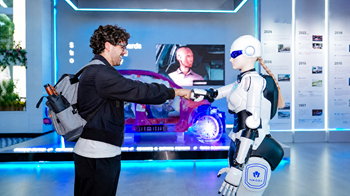
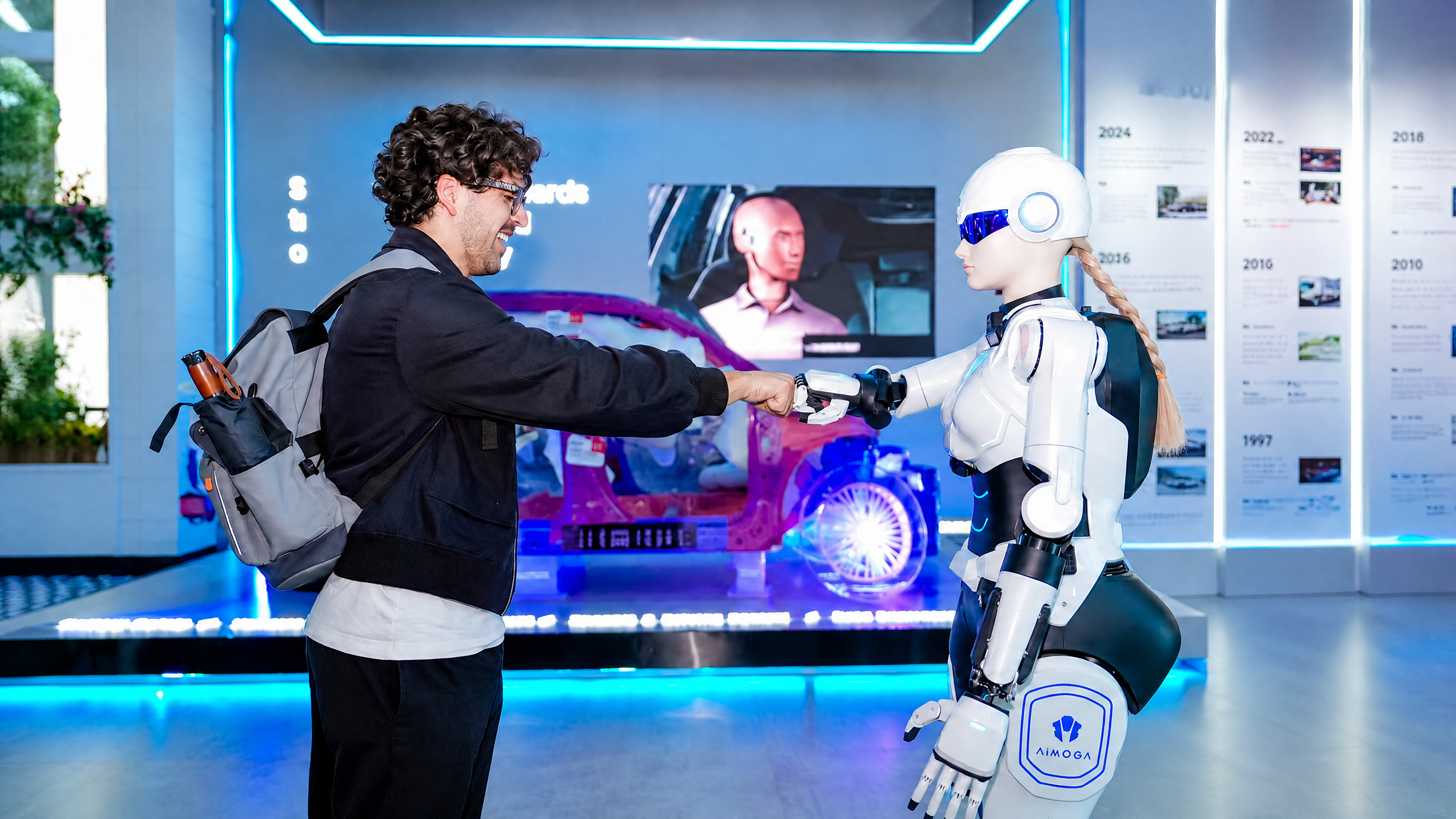
One of the clearest examples is AiMOGA Robotics, which uses technology originally developed for intelligent vehicles, including perception, decision-making and motion control.
Around 70% of AiMOGA’s research and development draws on technologies already used within Chery’s automotive operations. Its portfolio includes Mobo, a humanoid robot intended for home companionship, alongside service robots developed for commercial and public environments.
AiMOGA products are already present in more than 60 countries and regions, with commercial deliveries exceeding 3,000 units.
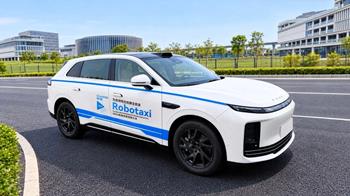
Chery also showcased its purpose-built Level 4 Robotaxi, which integrates the company’s Falcon Pilot intelligent driving technology and is capable of automated passenger pick-up and drop-off. The system can also work with autonomous charging robots.
Chery’s intelligent driving technologies have been developed for use across varying road conditions and regulatory environments, with certifications completed under international frameworks including UN/ECE requirements.
The same technology base is being applied to other forms of mobility. The Lingxiao J506 passenger-carrying electric vertical take-off and landing aircraft was shown at the event, with a targeted top speed of more than 350 km/h and a range exceeding 1,000 km.
Chery has also applied its electrification and AI technologies to agricultural equipment, with more than 66,700 hectares of automated field operations completed to date.
EVs become part of the energy network
Energy technology forms another major part of Chery’s broader ecosystem.
The company demonstrated its Volt-dragon megawatt-level ultra-fast charging technology alongside a vehicle-to-grid, or V2G, energy system combining solar generation, battery storage and charging infrastructure.
V2G enables compatible electric vehicles to both draw electricity from and feed electricity back into the grid, effectively allowing them to operate as distributed energy storage units.
The technology can help manage electricity demand, while integrated solar and battery systems offer potential in markets where grid stability or capacity remains a challenge.
A solar and battery-storage microgrid has already been deployed at an electric heavy-truck facility in Spain, where it has replaced diesel-powered electricity generation. Chery plans to establish 20,000 V2G-enabled stations globally by 2029.
Global technology, adapted locally
Rather than developing technology for a single market and adapting it afterwards, Chery is increasingly factoring local regulations, road conditions, infrastructure and energy requirements into the development process.
Its advanced driver assistance technologies have secured regulatory access across more than 130 countries and regions, while its robotics and energy technologies are already being deployed across a wide range of international environments.
For CHERY Brand specifically, the Summit also places a strong emphasis on family mobility under the theme “Together. For Family”.
The programme includes the CHERY SIVP Family Experience Camp, where Super Intelligent Valet Parking technology is demonstrated through everyday scenarios such as school runs and shopping trips, as well as an international media drive of the fully electric CHERY Q.
“Technology is only truly meaningful when it makes everyday life easier, safer or more convenient,” says Verene Petersen, National Marketing Manager at Chery South Africa. “What we are seeing in Wuhu is how technologies developed around the vehicle can extend far beyond it, whether that means smarter mobility, more efficient energy use or entirely new applications. For markets such as South Africa, the important part is ensuring those innovations can be adapted to local conditions and deliver practical value to customers.”
The technologies showcased during the Summit point to a broader evolution of Chery’s global strategy, moving beyond vehicle manufacturing alone towards an interconnected ecosystem spanning intelligent mobility, energy and everyday living.
ENDS//