South Africa has an important opportunity to strengthen its position as one of Africa's leading automotive manufacturing hubs but must act decisively to remain competitive as the global automotive industry undergoes a fundamental transformation.
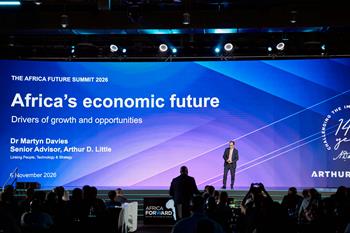
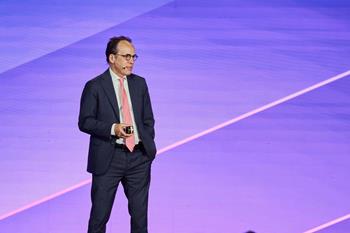
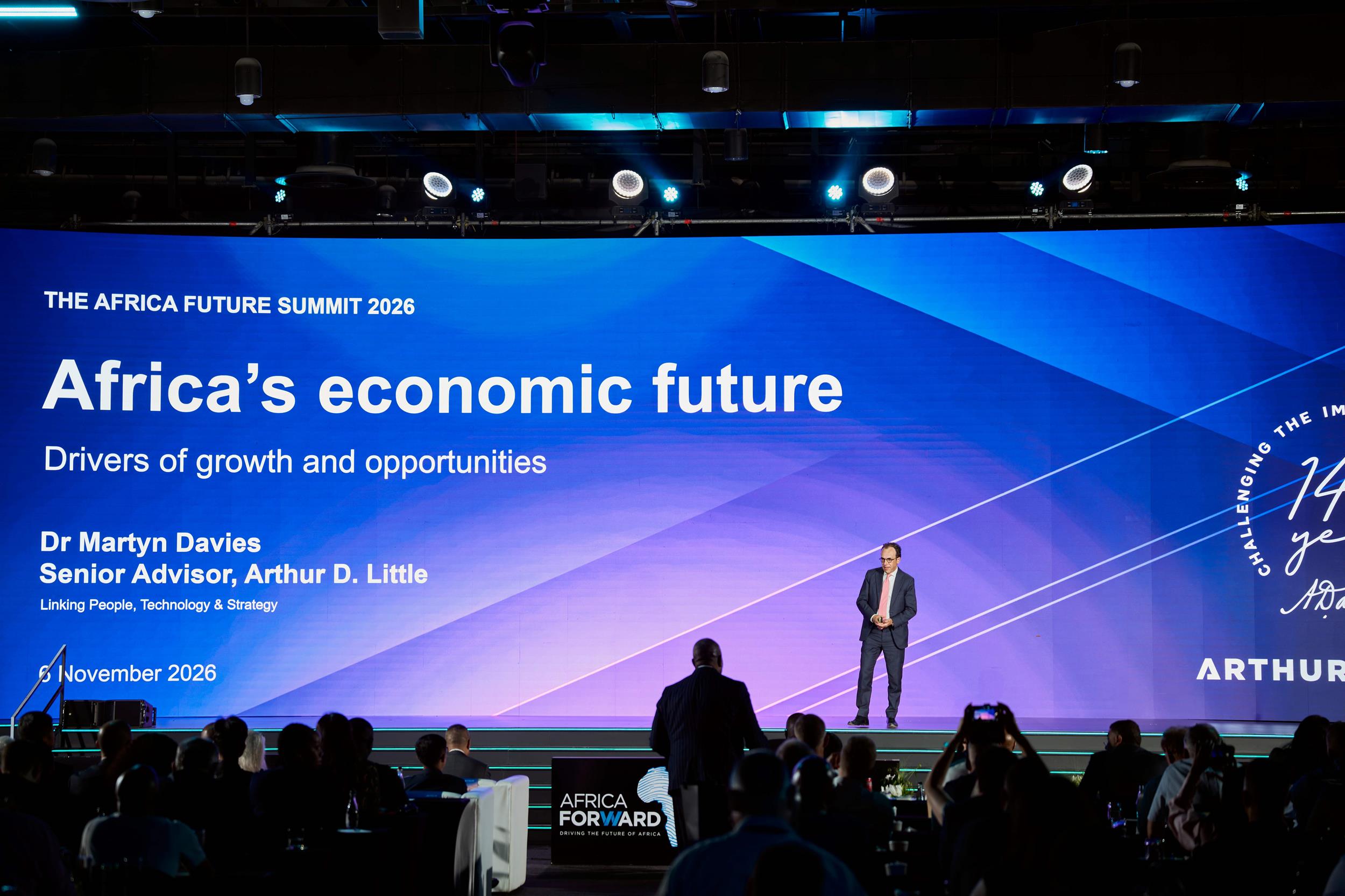
This was among the key insights shared by Dr Martyn Davies, one of the keynote speakers at the recent Africa Forward Summit, hosted by Jetour South Africa. Davies, an economist and global business strategist specialising in emerging markets, Africa and international investment, is currently Senior Advisor at Global management consulting firm, Arthur D. Little.
“South Africa must use the transition to electric vehicles to strengthen its automotive manufacturing base, rather than become increasingly dependent on imported vehicles,” he says.
Davies argues that South Africa and other African economies should take a leadership role in developing a regional EV-industrial compact, linking electric vehicle adoption with charging infrastructure, grid development, localisation, workforce skills and fair-market rules.
Africa's automotive market is projected to grow at a compound annual growth rate of 5.03% between 2026 and 2031, reaching an estimated US$28.93 billion by 2031, according to figures cited in his presentation. Yet the continent's automotive value chains remain fragmented, with many markets still heavily reliant on imported vehicles rather than locally developed manufacturing ecosystems.
"South Africa has an important advantage in that it already possesses an established automotive manufacturing base and a deep supplier ecosystem. The challenge now is to build on that foundation and ensure that the country remains relevant and competitive as the global automotive industry undergoes a fundamental transformation," says Davies.
He added that African markets risk becoming increasingly dependent on imported finished vehicles, including internal combustion engine (ICE), hybrid and electric models, without capturing the associated manufacturing and economic value. “South Africa is particularly well positioned to play a leading role. Alongside Morocco, it is one of only two African countries with a deep automotive supplier ecosystem and significant local content”. He added that a stronger emphasis on local vehicle assembly, component manufacturing, battery-adjacent supply chains and workforce development is needed.
"The transition to electric mobility should not simply mean replacing imported internal combustion engine vehicles with imported electric vehicles. It presents an opportunity for South Africa to build new industrial capabilities, strengthen local supply chains and position itself within the next generation of automotive manufacturing”.
Electric infrastructure is another critical component of this transition. Investment in charging networks, distributed energy solutions and grid modernisation will be essential to supporting EV adoption while creating opportunities for the development of new industrial capabilities.
Davies also highlighted the importance of stronger market-access conditions, local-production requirements and procurement policies to encourage meaningful investment and ensure that African markets benefit from the economic opportunities created by automotive demand.
Examining the growing influence of Chinese automotive manufacturers, Davies describes their international expansion as a significant force reshaping the global industry.
He added that Chinese manufacturers have developed significant advantages in production scale, battery supply chains, vehicle development speed and cost efficiencies. Their growing international presence is also raising consumer expectations around vehicle affordability, technology and specifications.
The opportunities extend beyond the vehicles produced and sold on the continent. It lies in ensuring that Africa becomes a meaningful participant in the manufacturing, supply chains and technologies that will shape the future of global mobility.
The Africa Forward Summit was Jetour’s first ever Summit of its kind on the continent, held earlier this month, and brought together global senior leadership from Jetour together with government representatives, industry experts, business partners, dealers, media and customers from across African markets.
For more information, go to www.jetour.co.za.