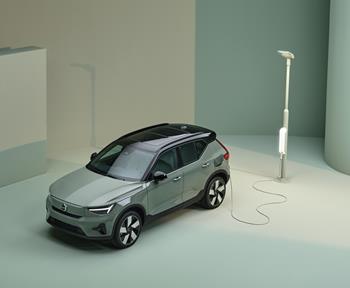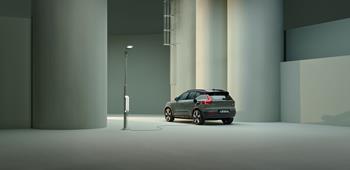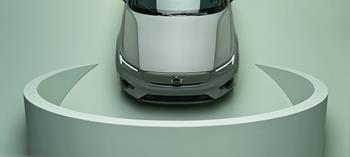
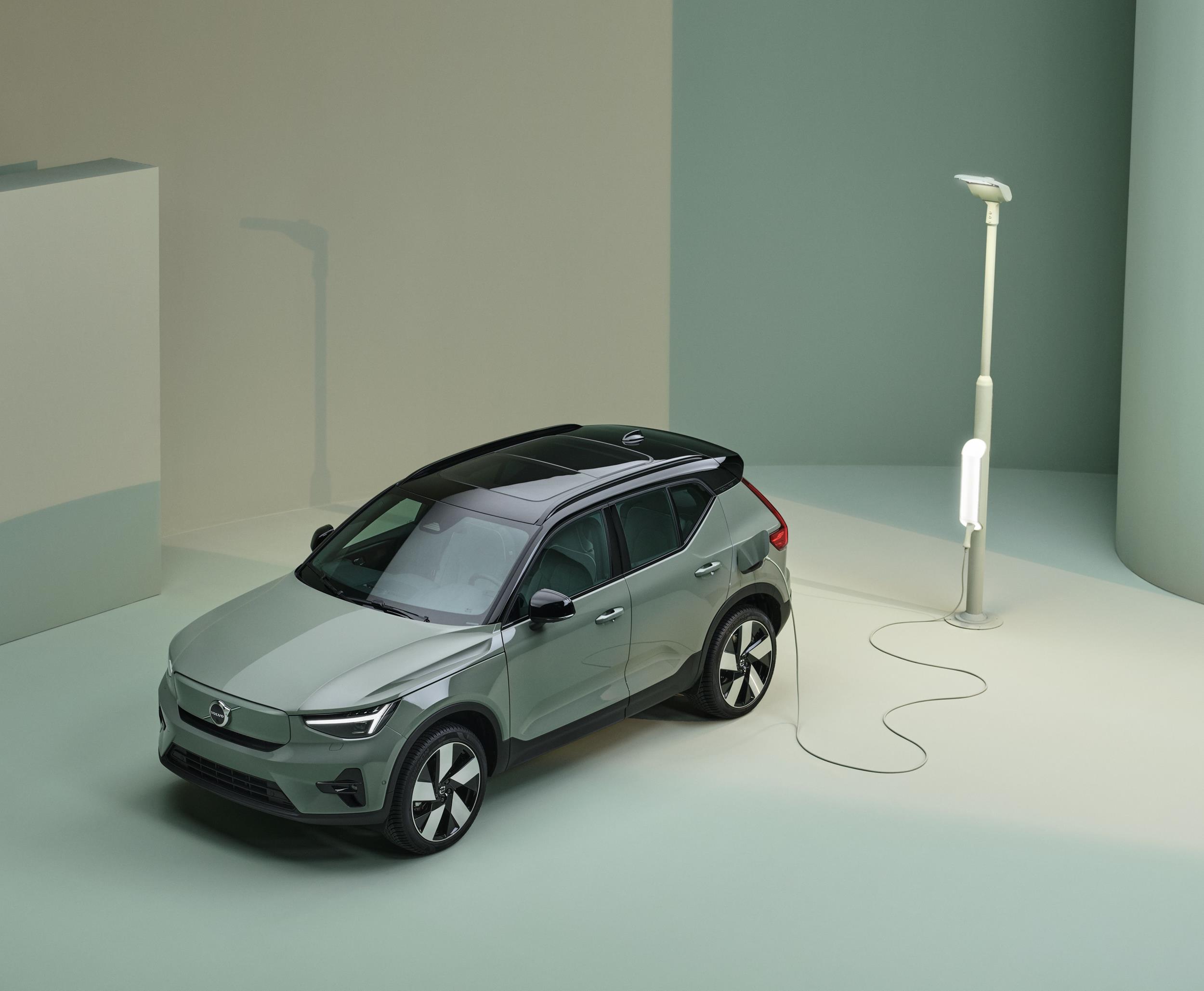
When the Volvo XC40 Recharge Pure Electric arrived in South Africa in the second half of 2021, the question on most people's minds was whether an electric car made any sense here. When the car launched, the country was in the grip of a power crisis. South Africa logged 200 days of loadshedding that year alone. Scepticism about EVs on a struggling grid wasn't unreasonable. Officially retailing from January 2022, the XC40 Recharge went on to sell 49 units in that first year: a modest number against internal combustion volumes, but a good start.
Volvo's answer, along with a small group of other early entrants into South Africa's EV market, was to commit to the country's potential rather than its problems. South Africa's EV story may not have begun with Volvo, but the brand became part of an early wave testing whether local drivers, and infrastructure, were ready to go fully electric, well before the answer was obvious. That bet was more than optimism. It was an investment in a greener future. Uptake since has been shaped as much by electricity costs and charging access as by consumer appetite, with charging remaining strongest in cities and considerably patchier on long-distance routes.
The benefits of looking beyond the horizon
Being an early entrant in the EV market meant moving toward an uncertain future and creating the right technology for it. As such, the XC40 Recharge was one of the first cars in the world, not only in South Africa, to run natively on Google's Android Automotive operating system, built directly into the vehicle rather than mirrored from a phone, with Google Maps, Google Assistant and app access from day one. It was also the first Volvo capable of over-the-air software updates, meaning the car could improve throughout its life rather than being at its best the day it left the factory floor. On the road, its electric motor showed South African owners how an EV could put money back in their pocket: slowing down reverses the motor's role into that of a generator, feeding energy back into the battery through regenerative braking and meaningfully extending range over a typical drive. Add a real-world range of more than 400km, an 80% fast-charge in 40 minutes, and the extra cabin space freed up by dropping the combustion engine entirely, and the substance behind the bet is hard to miss.
From 40 minutes to 10: how fast the technology has moved
The XC40 Recharge was the pioneering model in what has become Volvo's electrified line-up, and the pace of change since has been rapid. Its 80% fast-charge in 40 minutes ran on a 400-volt electrical architecture, the industry standard of the time. Volvo's newer electric models, including the ES90 sedan now on sale in South Africa, run on an 800-volt architecture instead, adding 300km of range in just 10 minutes at a 350kW charger. That shift from 400V to 800V isn't only a bigger number on a spec sheet: it means less time spent at a charger, and long-distance trips that once needed real planning around charging stops becoming considerably more straightforward. The range on offer has grown just as much. What started as a single, compact electric SUV in 2021 has become a line-up spanning compact, mid-size and flagship SUVs alongside a fully electric sedan, giving South African buyers considerably more choice in body style, price and range than the XC40 Recharge's first owners ever had.
Staying true to safety
Safety remained non-negotiable throughout the transition. The XC40 Recharge carries Volvo's long-standing safety reputation into its electric form, ranking among the safest vehicles in its segment and benefiting from the same engineering rigour applied across the brand's range, from advanced driver-assistance systems to a chassis built around occupant protection.
The model also marked a turning point in Volvo's own electrification plans, among the most ambitious of any legacy carmaker. The company has committed to climate neutrality by 2040, alongside a target of cutting tailpipe emissions by half per vehicle and making half its global sales pure electric. The XC40 Recharge gave its name to something bigger, too, even if the name itself has since moved on: Volvo has retired the Recharge badge, with fully electric models now carrying an EX or EC prefix and plug-in hybrids identified by their T8 badge instead. What hasn't changed is the direction: electrification remains the throughline across the entire range, not a side project reserved for a handful of models. Locally, Volvo has kept mild hybrid and plug-in hybrid options on the shelf too, giving South African buyers a bridge into full electrification rather than an all-or-nothing switch.
Five years on, and with loadshedding moving toward our rear-view mirror, the XC40 Recharge reads less as a headline act and more as an early marker of a bet that's starting to look justified. What began as a handful of early, expensive imports arriving into a grid nobody fully trusted has grown into a segment now weighed up seriously by car reviewers, eco-conscious buyers and everyday motorists alike. Charging infrastructure is expanding, and electricity costs remain a live conversation, but the call to bring a fully electric SUV into South Africa in the middle of a power crisis looks, in hindsight, less like a gamble and more like the opening chapter of a shift that was always bound to happen.
<ends>